
AI can help with bounded tasks: summarizing a long document, organizing facts, identifying recurring themes or making a message easier to read. That may help someone prepare, but it does not establish what the law requires or which legal strategy fits a particular case. NCSC guidance emphasizes that legal questions depend on precise, context-specific information—including what a user includes or leaves out of a prompt.
That dependence on context makes verification more than a proofreading exercise. A summary may miss a qualification in a document, while a generated answer may mix real authorities with invented cases, laws or quotations. Illinois Legal Aid warns that false information in a court paper can have serious consequences even if it was included by mistake. Fluency is not evidence that a legal claim is correct.
The sources address different layers of the problem. Illinois Legal Aid describes limits on AI use under Illinois court policy and points users to Illinois resources, including standardized forms for everyday civil legal matters. NCSC’s guidance is directed to court staff and recommends pointing users to the policies, standing orders or rules that apply in their court, including any rules on disclosure of AI use. Read together, the sources show why a general AI answer cannot resolve what a particular court requires: the relevant local instructions must be checked.
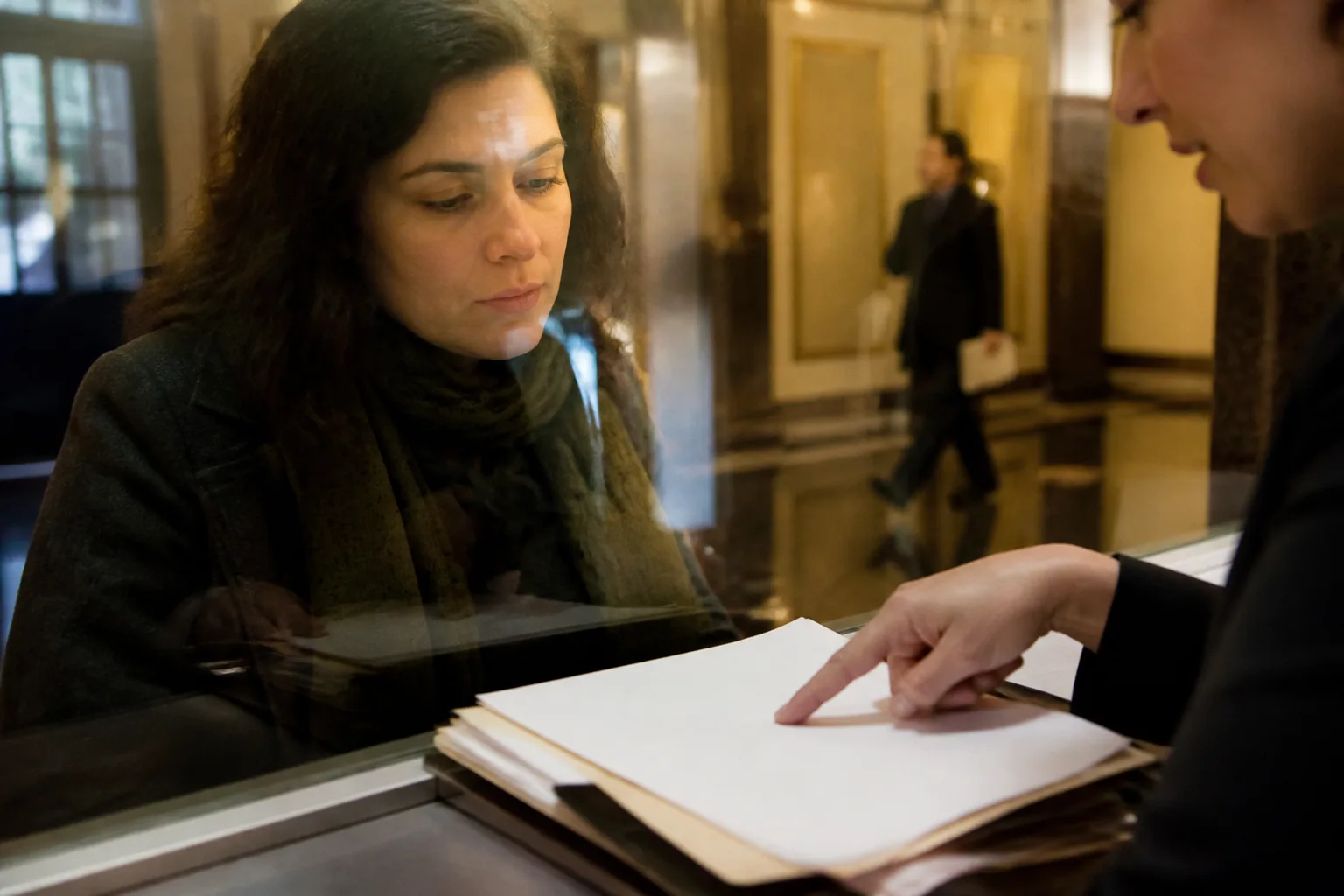
Before using an AI-generated form or draft, identify the court or agency involved and compare the document with its instructions and forms. Illinois Legal Aid says courts and agencies may require specific forms or information a tool cannot supply. The practical check depends not only on where the matter is being handled, but also on the role of the person offering help; NCSC advises court staff to follow their jurisdiction’s policies when assisting with draft pleadings.
Privacy calls for a separate decision before a prompt is sent. Illinois Legal Aid says most AI tools store what users type and that some companies allow staff to read inputs; it also describes possible exposure through connected software, devices or network traffic. NCSC guidance tells court staff not to put personally identifiable or confidential information into unapproved tools. A tool’s usefulness for organizing facts does not establish that it is appropriate for sensitive facts; check its privacy policy and use caution.
For a more limited use, ask AI to organize or clarify material rather than decide the legal issue. Check factual statements, citations, amounts and proposed forms against relevant, reliable sources, and read the final document carefully before signing or filing it. Illinois Legal Aid specifically advises reviewing legal documents even when someone else or a tool prepared them; NCSC points court users toward validated, relevant resources rather than relying on AI alone.